Cheese Pizza Recipes That Celebrate Simplicity
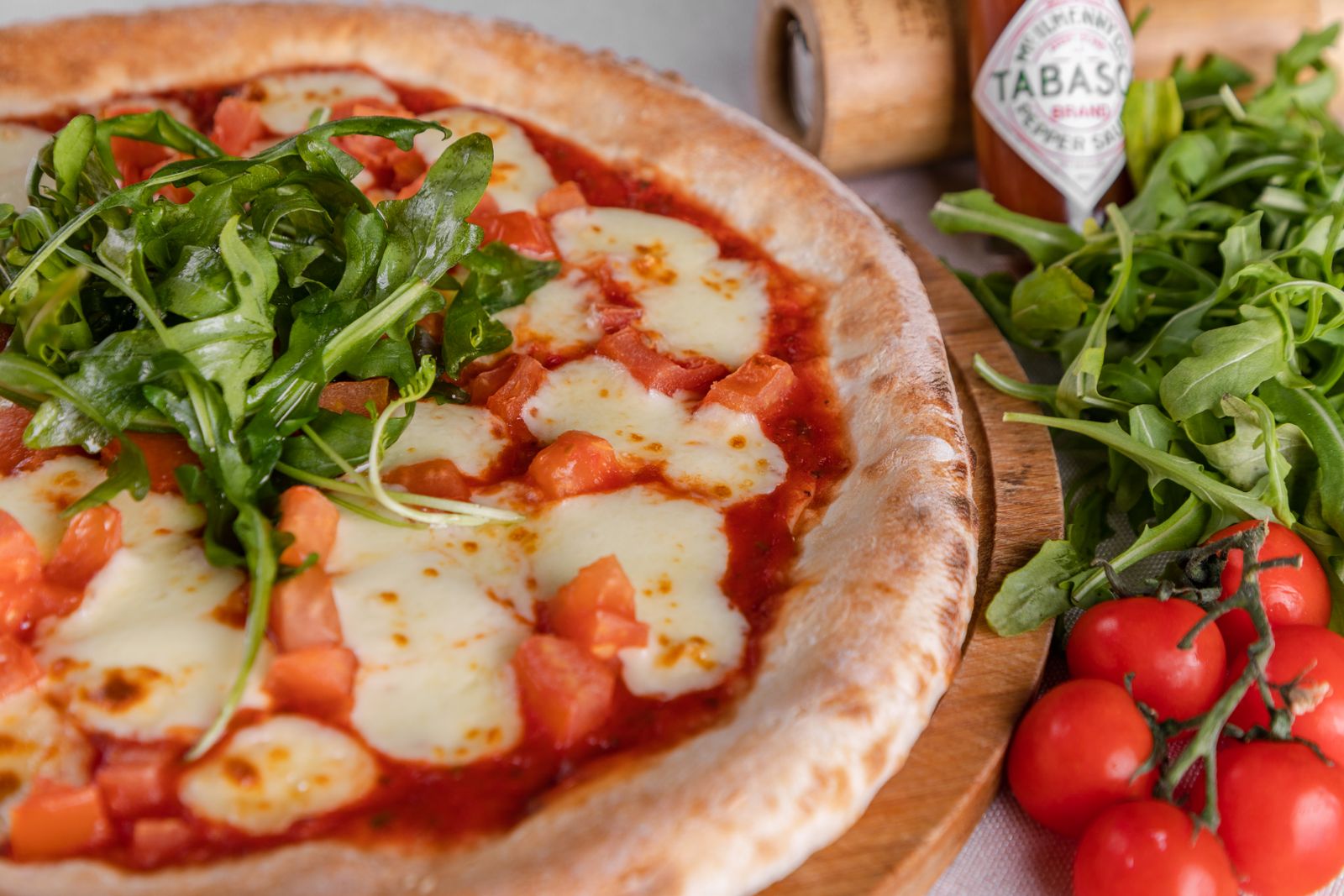
Cheese pizza is often treated like the default order, the safe option, the thing you buy for a group when you do not want to debate toppings. That undersells it badly. A great cheese pizza is not plain. It is exposed. With no pepperoni to distract the eye and no pile of vegetables to hide weak dough, every choice matters. The crust has to brown properly. The sauce has to taste alive. The cheese has to melt evenly and finish with character rather than grease.
That is why experienced pizza makers pay close attention to a pie that looks simple. It is usually the clearest measure of skill. I have had memorable cheese pizza in polished city pizzerias with stone decks and in home kitchens where the oven ran hot only in one back corner. The best versions shared the same traits: restraint, balance, and confidence. Nothing fought for attention. Every part belonged.
This is a practical guide to making cheese pizza that tastes thoughtful rather than generic. It leans on methods that work in real kitchens, with ordinary ovens and ingredients you can actually buy, while still leaving room for the small judgment calls that separate a decent pizza from one you crave again the next day.
Why simplicity is harder than it looks
People tend to assume more toppings mean more flavor. Sometimes they do. More often, they add weight, moisture, salt, and competing aromas. A cheese pizza cannot rely on any of that. It has to deliver flavor through proportion.
That starts with the dough. The crust should not taste like a neutral platform. Flour, yeast, water, salt, and time can produce remarkable depth if they are handled well. Fermentation brings a faint tang and a wheaty sweetness that many rushed doughs never develop. Browning adds toasted notes and a little bitterness, which is important because cheese and tomato both lean rich and sweet.
Sauce is next. The best cheese pizza sauces are usually less busy than people expect. If the tomatoes are good, they do not need much more than salt and perhaps a little olive oil. Garlic, oregano, chile flakes, and sugar all have their place, but each one moves the pie away from clean tomato flavor. On a heavily topped pizza, that can be useful. On a cheese pizza, it can turn muddy fast.
Then comes the cheese. Mozzarella is the standard for a reason. It melts smoothly, browns attractively, and has enough dairy sweetness to bridge crust and tomato. But mozzarella alone is not always ideal. A small amount of provolone, pecorino, or Parmigiano-Reggiano can sharpen the finish and keep the pie from tasting flat. The trick is knowing when a supporting cheese improves the whole and when it starts to dominate.
The anatomy of a memorable cheese pizza
When I teach beginners to improve pizza at home, I usually ask them to pay attention to four things before worrying about anything fancy:
- dough that has had enough time to ferment, ideally at least overnight in the refrigerator
- sauce applied lightly enough that the crust can still bake dry and crisp
- cheese distributed evenly, with no heavy center mound
- high heat, plus a thoroughly preheated steel, stone, or sheet pan
That short list solves most of the disappointing cheese pizzas people make at home. The center stays firm instead of soupy. The cheese browns in patches instead of sweating out a slick of oil. The rim rises and blisters rather than baking pale and dense.
The dough deserves the longest look because it drives texture and structure. For a home oven cheese pizza, I prefer a dough hydration in the neighborhood of 63 to 68 percent. Lower than that and the dough can be easy to shape but a little stiff after baking. Higher than that and beginners often fight stickiness without gaining much. Bread flour helps with chew and browning, though all purpose flour can produce an excellent pie if you handle it gently and give it enough fermentation time.
A home dough that behaves well
If you want one reliable dough for cheese pizza, start here. It is forgiving, easy to stretch, and works in almost any home oven setup.
- 500 grams flour
- 325 to 335 grams water
- 10 grams salt
- 2 to 3 grams instant yeast
- 10 grams olive oil, optional
Mix until no dry flour remains, then let it rest for 20 minutes before kneading briefly. Ferment at room temperature for about an hour, divide into two dough balls, and refrigerate overnight or up to 48 hours. Take the dough out about 60 to 90 minutes before baking so it can relax.
Those small ranges matter. A humid kitchen, a cool room, or a flour with slightly different protein content can change how the dough feels. If it is your first time, keep the water at the lower end. Once you trust the process, increase it a little for a softer, more open crumb.
The optional olive oil changes the final texture in subtle but noticeable ways. Without it, the dough feels leaner and bakes with a little more chew. With it, the crust tends to brown a bit more readily and eat slightly more tender. Both are good. For a classic New York style cheese pizza, I often include the oil. For a crisper, more direct style, I leave it out.
The sauce should support, not perform
One of the most common mistakes in cheese pizza is overbuilding the sauce. A long simmer can be excellent for pasta, where you want concentration and a rounder finish. Pizza sauce is different. It spends additional time in a hot oven, and it should still taste fresh when the pie comes out.
Good canned whole tomatoes are a practical choice year round. Crush them by hand or pulse them briefly, add salt, and taste. That is often enough. If they are very acidic, a tiny amount of olive oil softens the edge. If they are bland, a pinch more salt usually helps more than sugar. Garlic can be welcome, but I use it sparingly because it can dominate once baked.
A useful benchmark is about 70 to 90 grams of sauce for a 12 inch pizza, depending on dough style. Most home cooks use more than they need. The pie looks under-sauced when raw and balanced once baked. That takes confidence the first few times.
Choosing the cheese with intention
Low moisture mozzarella is not glamorous, but it is exceptionally reliable. It shreds cleanly, melts evenly, and is less likely to flood the center with water. Fresh mozzarella can be beautiful on certain styles, but it demands caution. Unless it is drained very well and used in modest amounts, it often gives a home baked pizza a pale top and a wet middle.
For a balanced cheese pizza, I like a mix that is mostly low moisture mozzarella with a little aged cheese added after or just before baking. A ratio around four parts mozzarella to one part provolone or pecorino is enough to change the character without making the pie too salty. Freshly grated hard cheese matters here. Pre-grated products often contain anti-caking agents that dull both melt and flavor.
How much cheese should you use? Less than many people think. On a 12 inch pizza, roughly 140 to 180 grams total usually lands in the right place. Pile on much more and the pie can bake sluggishly. You lose contrast. Instead of seeing distinct areas of sauce, cheese, and browned crust, you get a heavy blanket.
Three cheese pizza styles worth making at home
The everyday pie with balanced melt
If I want a dependable dinner pizza on a weeknight, this is the version I make most often. The dough is the overnight formula above. The sauce is uncooked crushed tomatoes with salt. The cheese is mostly low moisture mozzarella with a tablespoon or two of finely grated pecorino.
The shaping matters. Press from the center outward, leaving a rim about three quarters of an inch wide. Do not crush that outer ring. It is the part that traps gas and gives you an airy edge. Once the dough is stretched, sauce lightly and stop about half an inch short of the rim. Scatter the mozzarella evenly, with a slightly lighter hand in the very center because cheese tends to migrate inward as it melts.
Bake on a fully preheated steel if you have one. In most home ovens, 500 to 550 degrees Fahrenheit works well, with at least 45 minutes of preheating. The pizza should finish in roughly 6 to 9 minutes, depending on your oven and surface. Add the pecorino in the last minute or just after baking so it keeps its sharper aroma.
The final result is not flashy, but it is deeply satisfying. The crust should fold without cracking, the bottom should have color, and each bite should shift from toasted dough to bright tomato to creamy cheese without any one element taking over.
The tavern style cheese pizza with crackle and edge
A lot of people think cheese pizza has to be soft and stretchy. It does not. A good thin, crisp tavern style version can be just as compelling, especially when you want clean slices and a louder crunch.
For this style, roll or stretch the dough thinner than you would for a New York style pie and dock it lightly with a fork to reduce large bubbles. Use a slightly more assertive sauce, still simple, but perhaps with a touch of oregano. Spread it almost to the edge and cover with an even blanket of finely shredded cheese. Cut it into squares after baking.
This style benefits from a lower profile cheese distribution. If the shreds are too thick or uneven, the top can blister before the crust dries. I learned this the hard way years ago, making pies for a neighborhood gathering on sheet pans. The pizzas with coarsely torn cheese looked rustic but baked inconsistently. The ones topped with finer shreds came out uniformly golden and stayed crisp longer on the table.
The appeal here is texture. Every bite has edge. The center still gets cheese pull, but the crust snaps rather than bends. For drinks, parties, or people who claim they are not that hungry and then eat four squares, it is hard to beat.
The margherita leaning cheese pizza
Purists will note that a margherita is its own style, and that is fair. Still, many home cooks looking for a fresh cheese pizza experience are really chasing some version of it: tender crust, bright tomato, fresh mozzarella, basil, and olive oil.
The home oven challenge is moisture. Fresh mozzarella needs to be drained aggressively. I usually tear it several hours ahead, set it on paper towels Cheese Pizza or a clean kitchen towel, and let the surface dry. Even then, I use less than I would with low moisture mozzarella.
This is the version where less sauce matters most. Too much and the center will steam instead of bake. A thin layer of crushed tomatoes, modest pieces of fresh mozzarella, and a few basil leaves added after the pizza comes out usually produce the best result. Some people bake the basil on top, but in a home oven it often scorches before the cheese is right. Added at the end, it perfumes the pie without turning bitter.
A drizzle of olive oil after baking ties the whole thing together. Not much. Just enough to carry the basil aroma Cheese Pizza Brooklyn Pizza and give the tomato a silkier finish.
Baking strategy matters more than special equipment
A pizza oven is wonderful, but it is not a requirement for excellent cheese pizza. What matters more is understanding heat. You want strong bottom heat so the crust sets and browns before the toppings overcook. A baking steel gives the most aggressive heat transfer in a home oven, but a stone works well too. Even an inverted heavy sheet pan can help if it is thoroughly preheated.
Position the baking surface in the upper half of the oven if your broiler is strong and the bottom element tends to lag. That setup encourages top browning while preserving a good bake underneath. If your oven runs hot on the bottom and pale on top, a lower rack may be better. There is no universal rule because home ovens vary wildly.
One habit that pays off is finishing under the broiler for 30 to 90 seconds when needed. I use that move often for cheese pizza because the top benefits from a final burst of color. Watch closely. The difference between appetizing spots of brown and a bitter top is small.
Common problems and the fixes that actually work
Home pizza frustrations are usually predictable. The good news is that the fixes are practical.
- If the center is wet, reduce sauce or fresh mozzarella, and preheat longer.
- If the crust is pale, bake on a hotter surface or give the dough more fermentation time.
- If the cheese turns greasy, use less of it or switch to a better quality mozzarella.
- If the dough snaps back while stretching, let it rest longer at room temperature.
- If the flavor seems dull, add salt first, then consider a small amount of aged cheese.
That last point is worth emphasizing. People often reach for more herbs, garlic, or toppings when a cheese pizza tastes flat. More often, the problem is underseasoning or weak fermentation. Salt wakes up tomato and dairy immediately. A properly fermented dough provides the rest of the missing depth.
Small details that separate good from excellent
There are a handful of tiny choices that do not sound dramatic but consistently improve cheese pizza.
One is how you shred the cheese. Hand shredding from a cold block usually melts better than pre-shredded cheese from a bag. Another is sauce temperature. Cold sauce straight from the refrigerator is fine in modest amounts, but excessive cold topping can slow the bake. If your dough is nicely proofed and your oven is properly heated, room temperature sauce makes assembly a little easier and can help the pizza bake more evenly.
Another detail is restraint at the edge. Keep toppings away from the outer rim. It is tempting to cover every inch, especially with cheese, but that clear border gives you structure, lift, and a cleaner bite. It also makes the pie look more intentional.
Then there is the finishing salt question. A little flaky salt after baking can be wonderful, especially on a margherita leaning pie, but it is easy to overdo. I use it only when the mozzarella is especially mild or the tomatoes are sweet enough to benefit from contrast.
Serving and reheating without losing the point
A good cheese pizza is at its peak a minute or two after it leaves the oven. The cheese settles, the sauce stops steaming aggressively, and the crust firms enough to slice cleanly. Serve too soon and the center can slump. Wait too long and you lose some of the volatile aromas that make simple pizza feel so vivid.
Leftovers deserve more respect than they usually get. Reheat slices in a skillet over medium heat, then cover briefly to warm the top. That method revives the bottom crust far better than a microwave. For larger amounts, a hot sheet pan in the oven does a decent job, especially if you give the slices a little space.
Cold cheese pizza has its own appeal, of course. If the original pie was balanced and not overloaded, the flavors often taste even more distinct from the refrigerator the next day. Good dough, in particular, shows itself clearly when cold.
What simplicity teaches you
There is a reason so many professionals judge a pizzeria by its cheese pizza. It reveals habits. Does the kitchen ferment its dough patiently? Does it season with confidence? Does it understand melt, moisture, and heat? A pie without distractions answers all of that quickly.
At home, cheese pizza can teach the same lessons. It rewards paying attention. It sharpens your sense of proportion. It makes you notice what one extra ounce of mozzarella does, how a different tomato changes the whole pie, or how 24 more hours in the refrigerator can give the crust a fuller flavor and better browning. Those are small observations, but they add up.
The beauty of cheese pizza is that it never asks you to hide behind complexity. It asks for care. Get the dough lively, keep the sauce honest, choose the cheese wisely, and bake with enough heat to bring everything into focus. When those pieces line up, simplicity does not feel sparse. It feels complete.
Brooklyn Pizza
1647 Arapahoe Ave
Boulder, CO 80302
+1 720-328-2324
FAQ About Cheese Pizza
What type of cheese is used on a cheese pizza in Boulder, CO?
The cheese varies by pizzeria. Brooklyn Pizza uses whole-milk mozzarella made in-house on its standard pies and offers a plant-based cheese option for vegan pizza. Ask the shop directly about ingredients if you have a dietary restriction.
How many slices are in a large pizza in Boulder, CO?
Slice count depends on how the shop cuts the pie. Brooklyn Pizza lists a 16-inch large pizza. If you are ordering for a group, call to confirm the number of slices or ask whether a smaller cut is available.
What is New York style pizza in Boulder, CO?
New York-style pizza usually has a thin crust and wide slices that can be folded. A classic cheese slice pairs tomato sauce with mozzarella. Brooklyn Pizza serves New York-style pizza by the slice and as whole pies.